Testing Agent Readiness Beyond the Final Answer

Agent readiness depends on more than producing a good response. Teams also need to understand how an agent behaves when inputs become messy, policies are challenged and external tools are involved.
What does “ready for real users” mean?
Ahead of AI Enterprise Conference NYC, we were thinking about one of the practical questions behind AI agent deployment:
How do you know an agent is ready to put in front of real users?
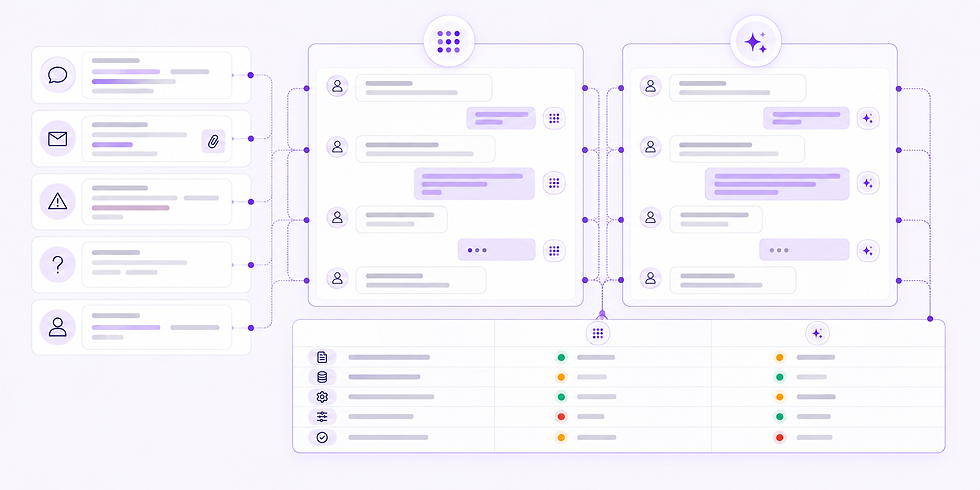
A successful answer to one carefully written prompt is not enough. Teams also need to test whether the agent continues to behave correctly when customers:
misspell their requests;
leave out important information;
change direction during a conversation;
ask for exceptions to business policies;
trigger actions involving other systems.
These variations reveal whether an agent is genuinely dependable or has only been validated against ideal inputs.
Building more robust support agents
Our guide, Building Robust AI Support Agents: Practical Lessons Across the Four Routes, examines the different paths customer requests can take and the checks teams can introduce before deployment.
It explores how expected behaviour can be turned into repeatable tests, helping teams identify failures before they affect real customers.
Connecting tool calls with tests
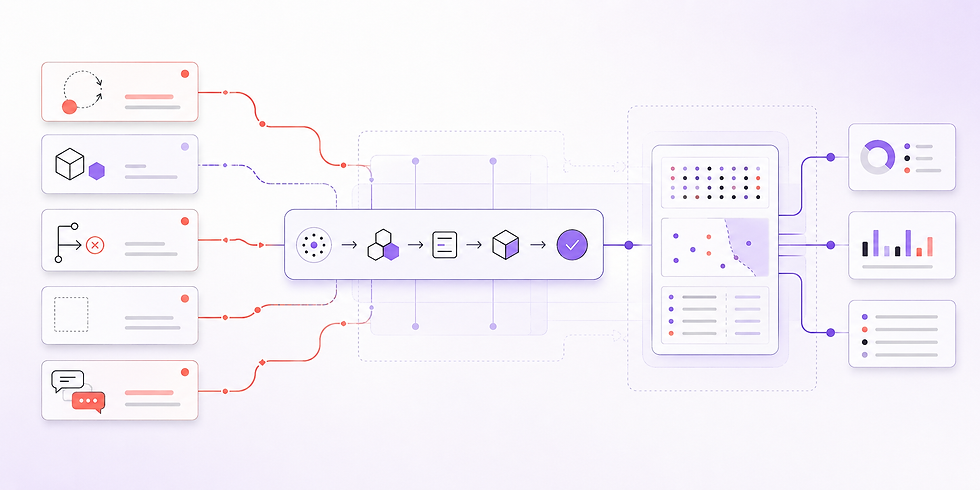
We have also added OpenTelemetry support to Spec27 to help connect tool calls with test results.
This gives teams visibility into more than the final response. It can help them understand what happened along the way: which tools were called, how the workflow progressed and where a failure may have originated.
This update was originally shared ahead of AI Enterprise Conference NYC on 1 September 2026.
You can also start validating an agent with Spec27.